Philosophy
Sovereign Engineering starts with a simple conviction: if money can be open and user-controlled, software can too. We care about systems people can verify, fork, host, and leave without asking permission.
Bitcoin showed what strong rules can do on the money layer. Nostr carries the same instinct into identity, publishing, and coordination. We want more builders working from that base.
If you want to build a ship, don't drum up the men to gather wood, divide the work, and give orders. Instead, teach them to yearn for the vast and endless sea.
Freedom by Design
People should control their keys and be able to take their data elsewhere. They should be able to inspect the rules of a system and keep using it if its original developers walk away.
We call this Freedom Tech. The design should reduce how much users have to trust the people running it.
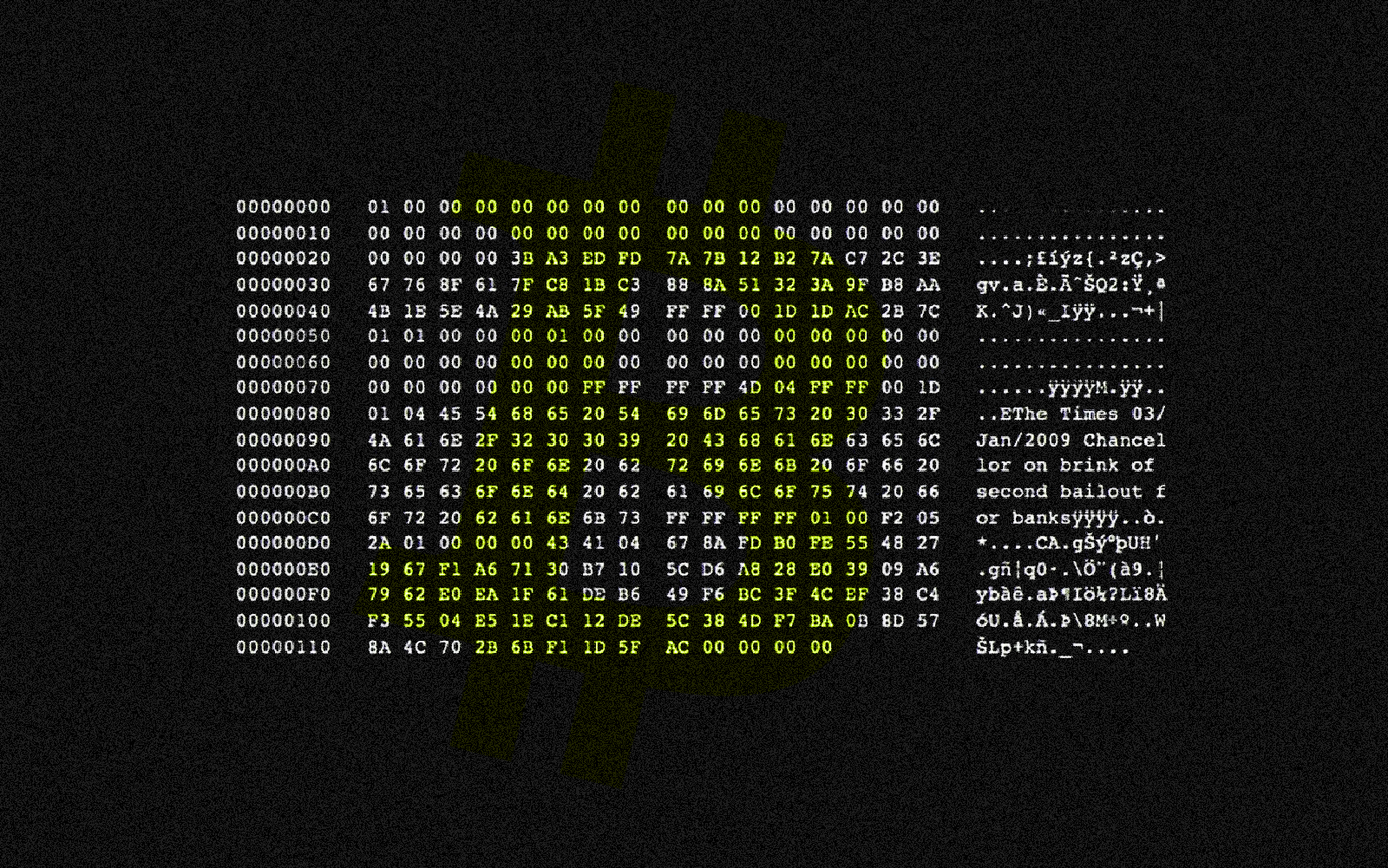
Freedom Tech is rugpull-resistant technology.
Solved by Walking
Someone else can notice an assumption you didn’t know you were making. A long walk gives you time to follow that thought and reconsider what you’re building.
Walking together also changes who you talk to. You have time to work through a question with someone whose experience is very different from yours.

Solvitur ambulando.
Bell Labs ∩ School of Athens
A place to think together and build together. Conversations have time to develop, and the people who have an idea are there to help turn it into a working prototype.
We want room for strange ideas and questions we don’t yet know how to answer. Building helps us investigate them. So does talking them through with someone who sees the problem differently.
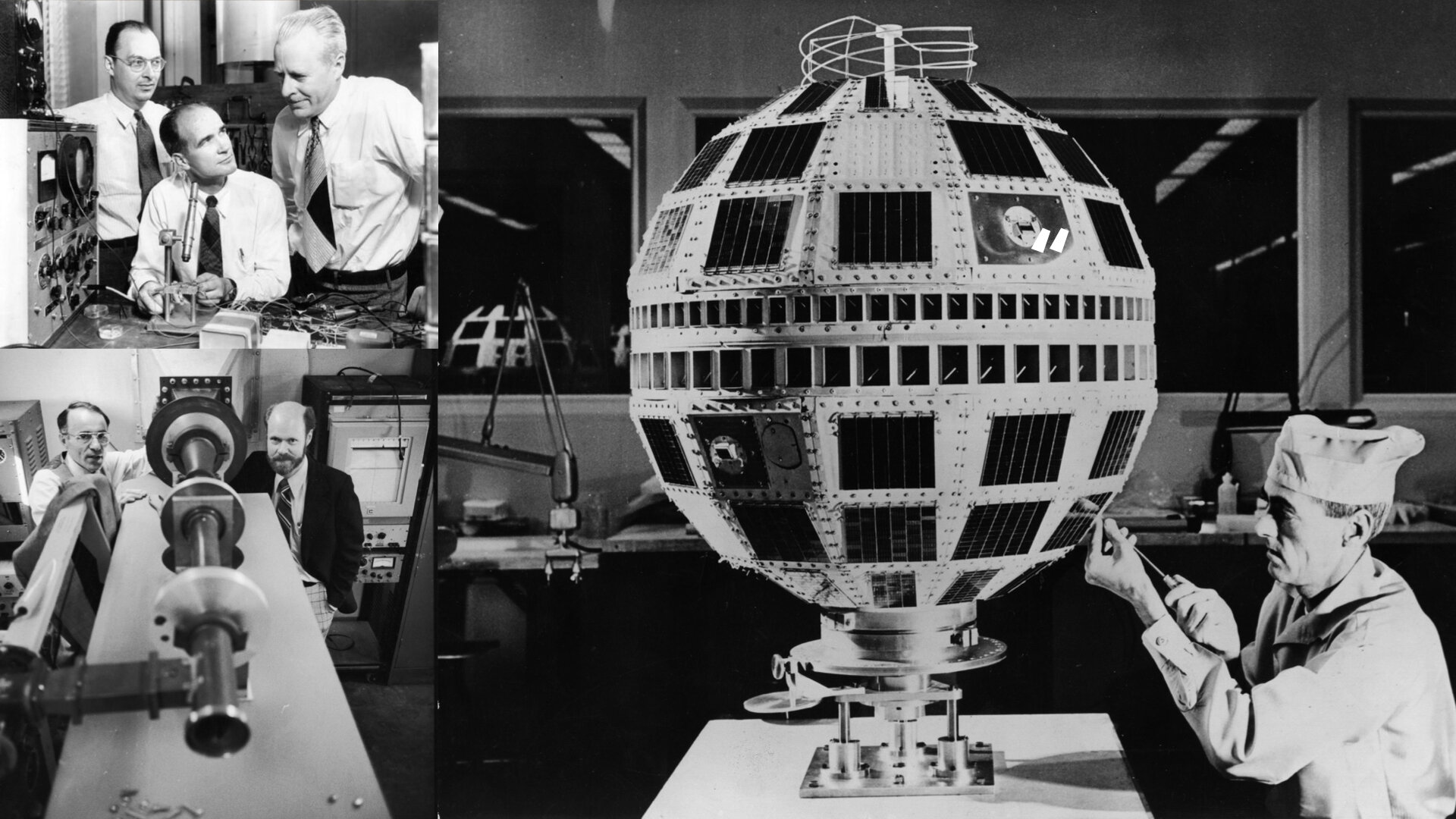
Re-invent the future.
In Person
When you spend several weeks together, you get to know what other people are working on and where they’re stuck. A conversation can continue over lunch or pick up again the next morning.
That shared context makes it easier to ask for help, disagree, and work through an unfinished thought without having to explain everything from the beginning.
If you want to go fast, go alone. If you want to go far, go together.
Bias for Action
We talk through ideas, build something, and bring it back to the conversation. A prototype gives everyone something specific to question.
Rough code is fine if it helps us learn. Getting a small part working lets other people try it and tell us what we missed.
You can see the cohort projects, including Blossom and Zapstore, or read how we organize the week on the Concept page.
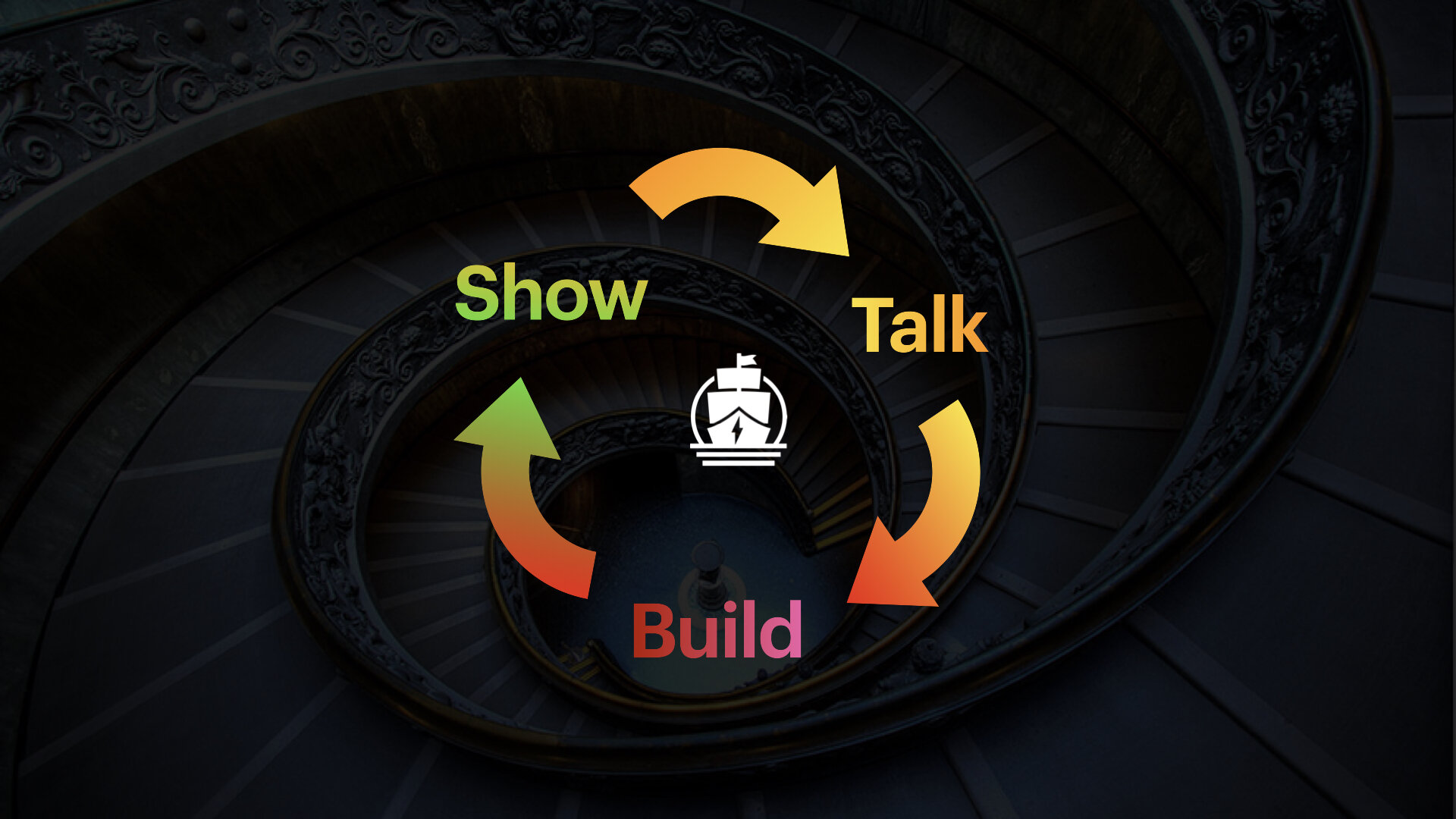
Direction is so much more important than speed. Many are going nowhere fast.
Cypherpunks Write Code
Publish the source. Make it readable. Keep dependencies manageable so other people can understand and maintain what you build.
Choose architectures that reduce trust and account for hostile conditions. People should be able to check how the software works for themselves.
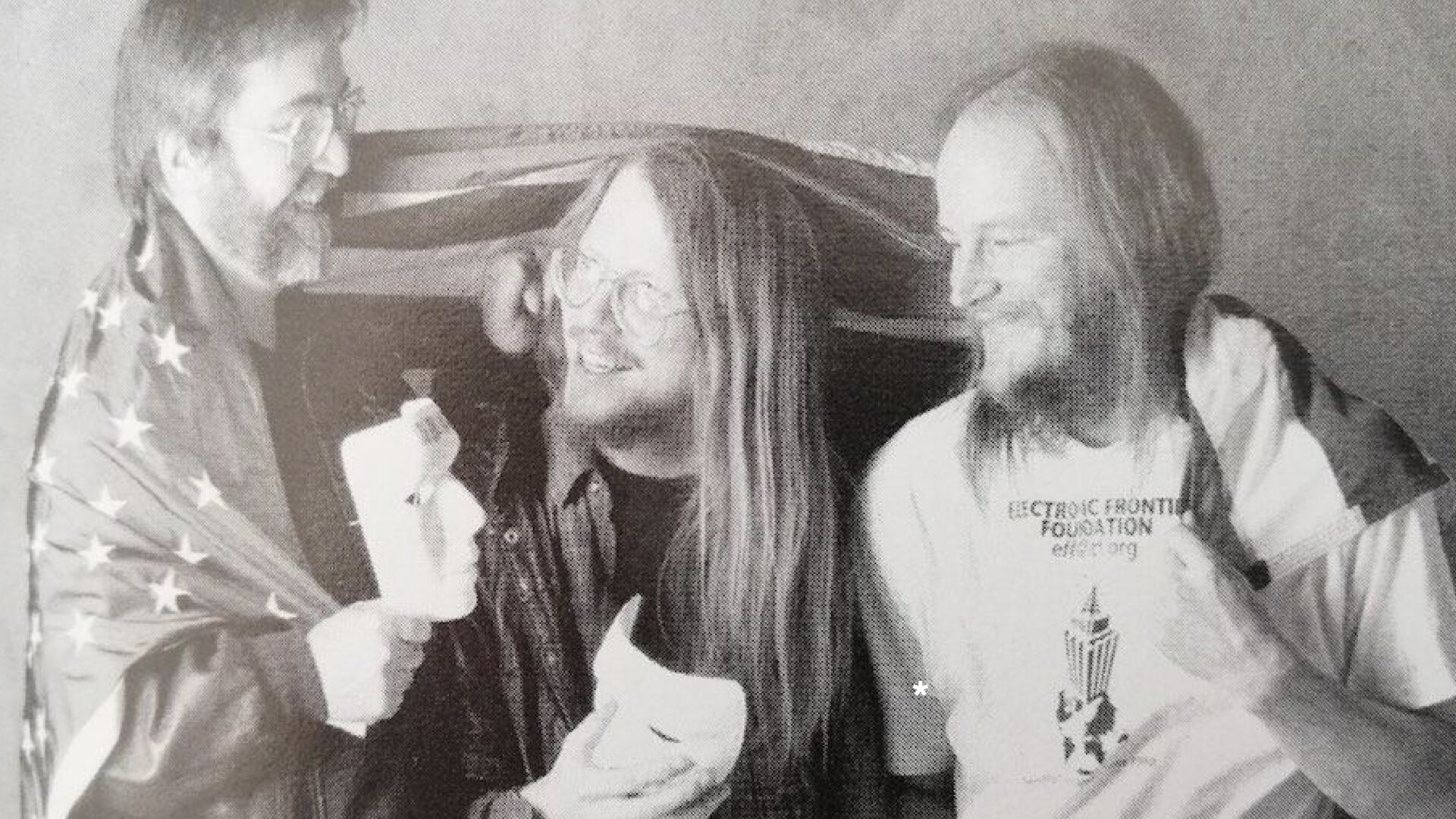
The computer can be used as a tool to liberate and protect people, rather than to control them.
No Solutions
Trade-offs do not go away. The job is to choose the ones that protect sovereignty, reduce trust, and keep future builders from getting boxed in.
The No Solutions podcast records the kinds of conversations that happen during the cohorts. People disagree, test ideas, and keep going until something useful falls out.

No solutions, only trade-offs.
Endurance
The cohort ends. Maintaining what you built can take years. We care about whether someone can understand the code, fix it, and keep using it after its original authors have moved on.
We favor small teams and well-tested primitives that give future maintainers less to untangle.
Fix the money, fix the internet.

Fortitudine vincimus.